None of this was supposed to happen.
Last Thanksgiving I was flying out of Chicago when the airline started asking for volunteers to get bumped to the next flight. Credits in exchange for a few hours of my evening. Obviously I ran to the counter as fast as I could and said yes.
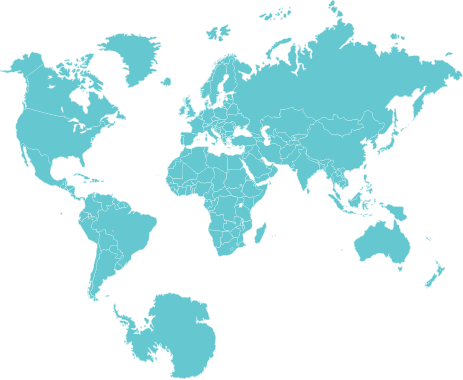
In December, when it came time to actually spend them, I asked myself one question: what's the farthest place from Boston I've never been? The answer, more or less at random, was Hong Kong. I booked it.
Within days, a friend saw the flight. I'd posted my Flighty passport, and there it was: Boston to Hong Kong, March. He messaged me: "we're doing the Ha Giang Loop in March, want to come?" Sure. Why not.
I think that's exactly how travel should work. No itineraries, just randomness.
Getting to Hà Giang means taking the overnight sleeper bus from Hanoi. This sounds romantic. It is not romantic. The bus stops constantly. There are people appearing and disappearing at hours that shouldn't exist, a soundtrack of Vietnamese I couldn't parse, jolts that made sleep feel like a personal insult.
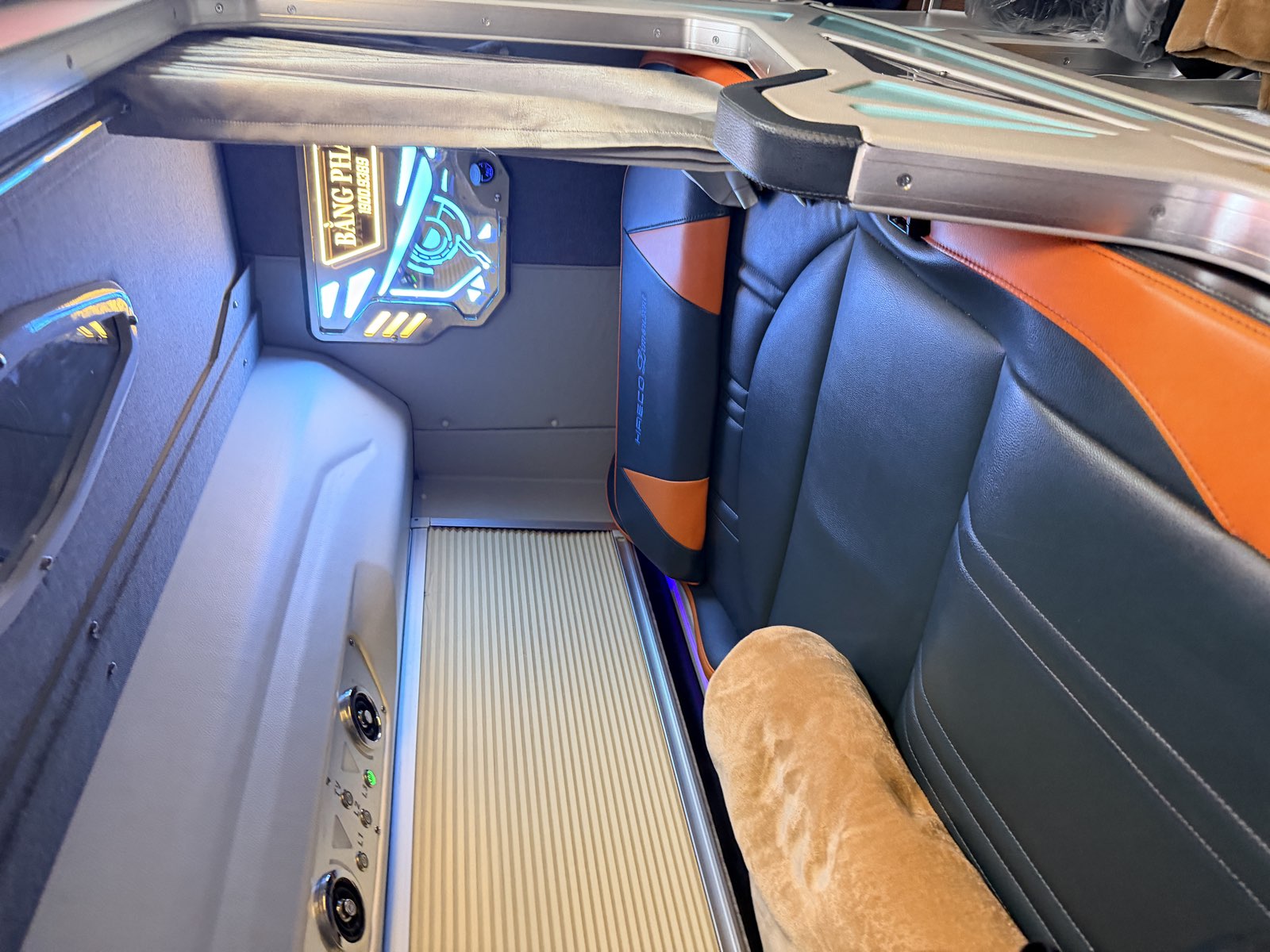
I arrived at a random hostel at 5am. Was shown to a bed. Managed exactly one hour of unconsciousness before someone knocked on the door.
Time to go.
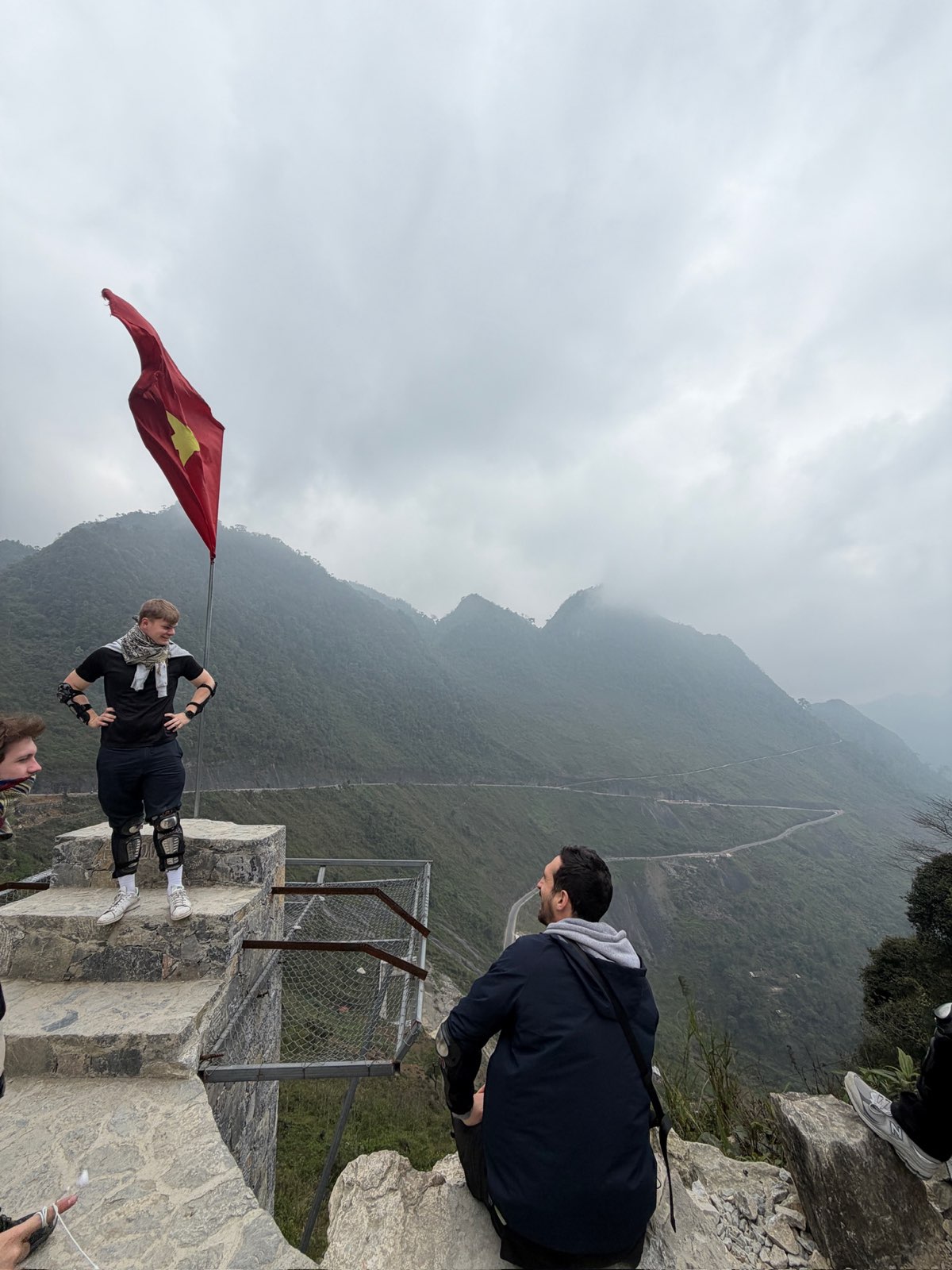
The group assembled slowly that morning: six people, every one of them from somewhere different. The kind of mix that shouldn't work but immediately does. We met our drivers (local guides who knew every curve of the loop) and climbed onto motorbikes as the sun started setting over the limestone peaks above us.
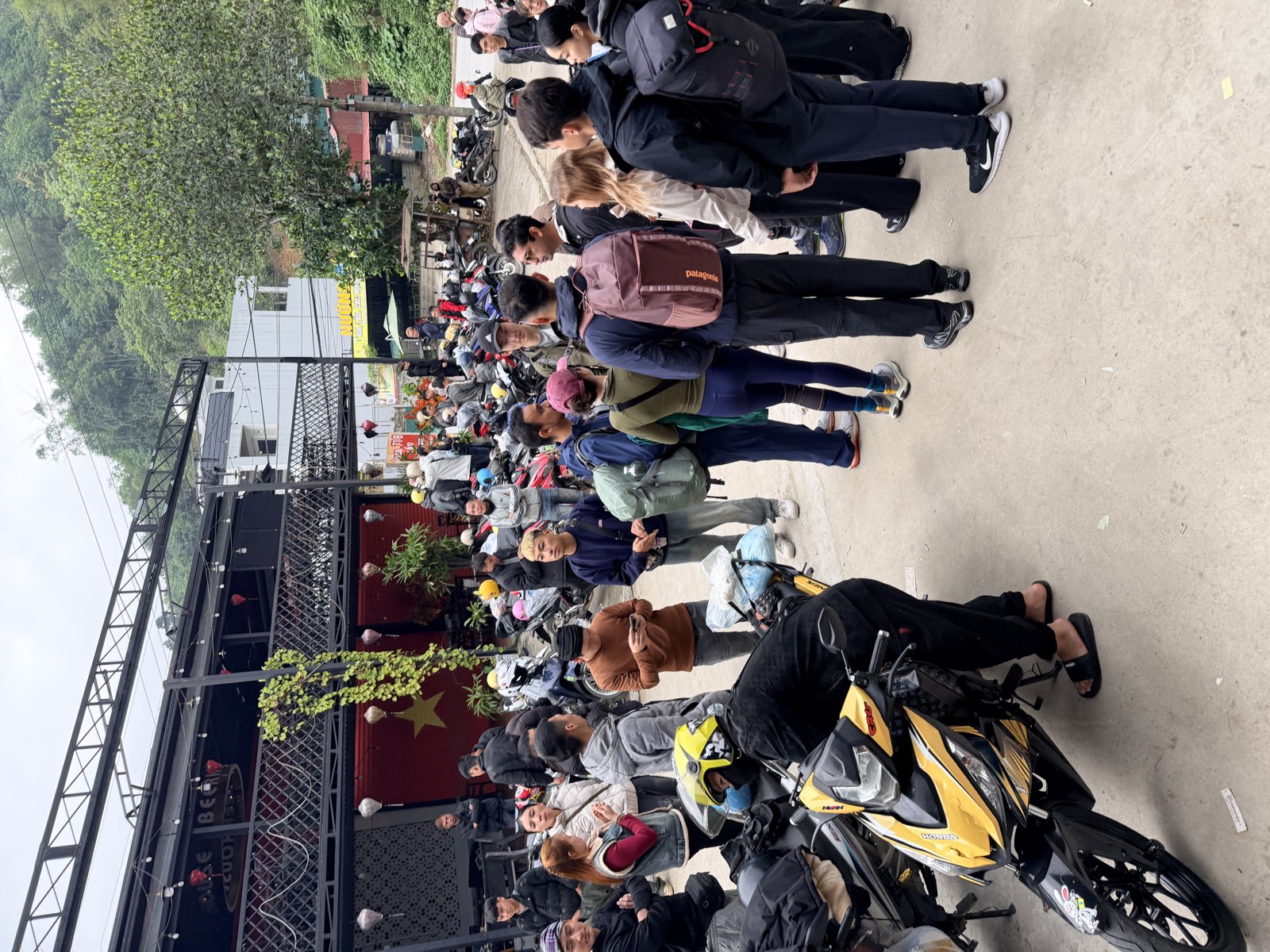
The route is a loop in the most literal sense: you start in Hà Giang and, three days later, you end in Hà Giang. In between you climb through Heaven's Gate to Yên Minh, run north to Đồng Văn, cross the Mã Pí Lèng pass, drop into Mèo Vạc, and cut back southwest to Du Già.
Just over 300 kilometers. On a map it looks like an afternoon. On these roads, it is three days.
Route · 3 days, 2 nights
Departure
Now at
Hanoi
0 km ridden
Overnight sleeper bus from Hanoi. No sleep.
I should be honest about what three days on the back of a motorbike actually feels like: by day two, sitting down is a quite the pain. It becomes the running joke of the group.
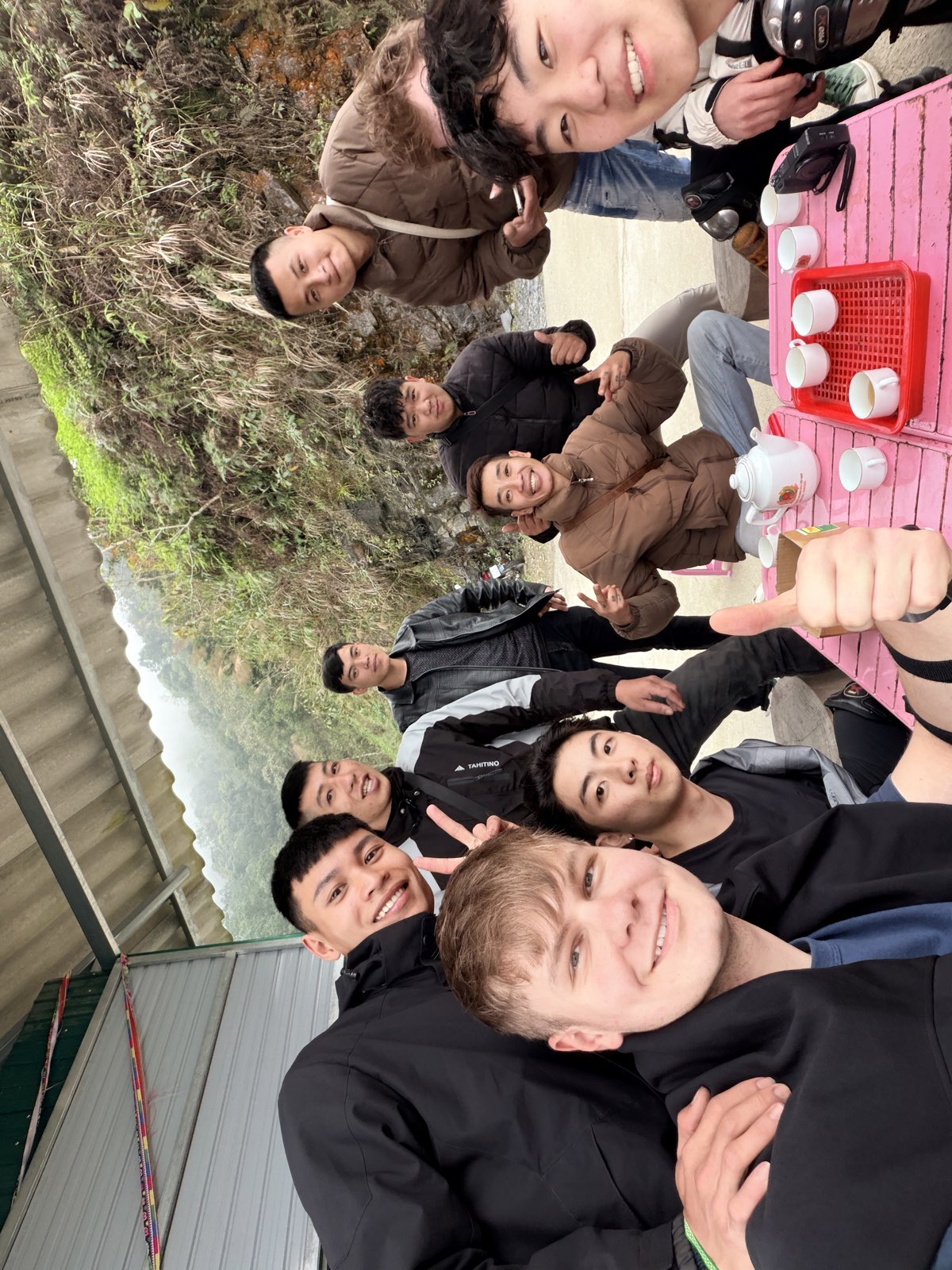
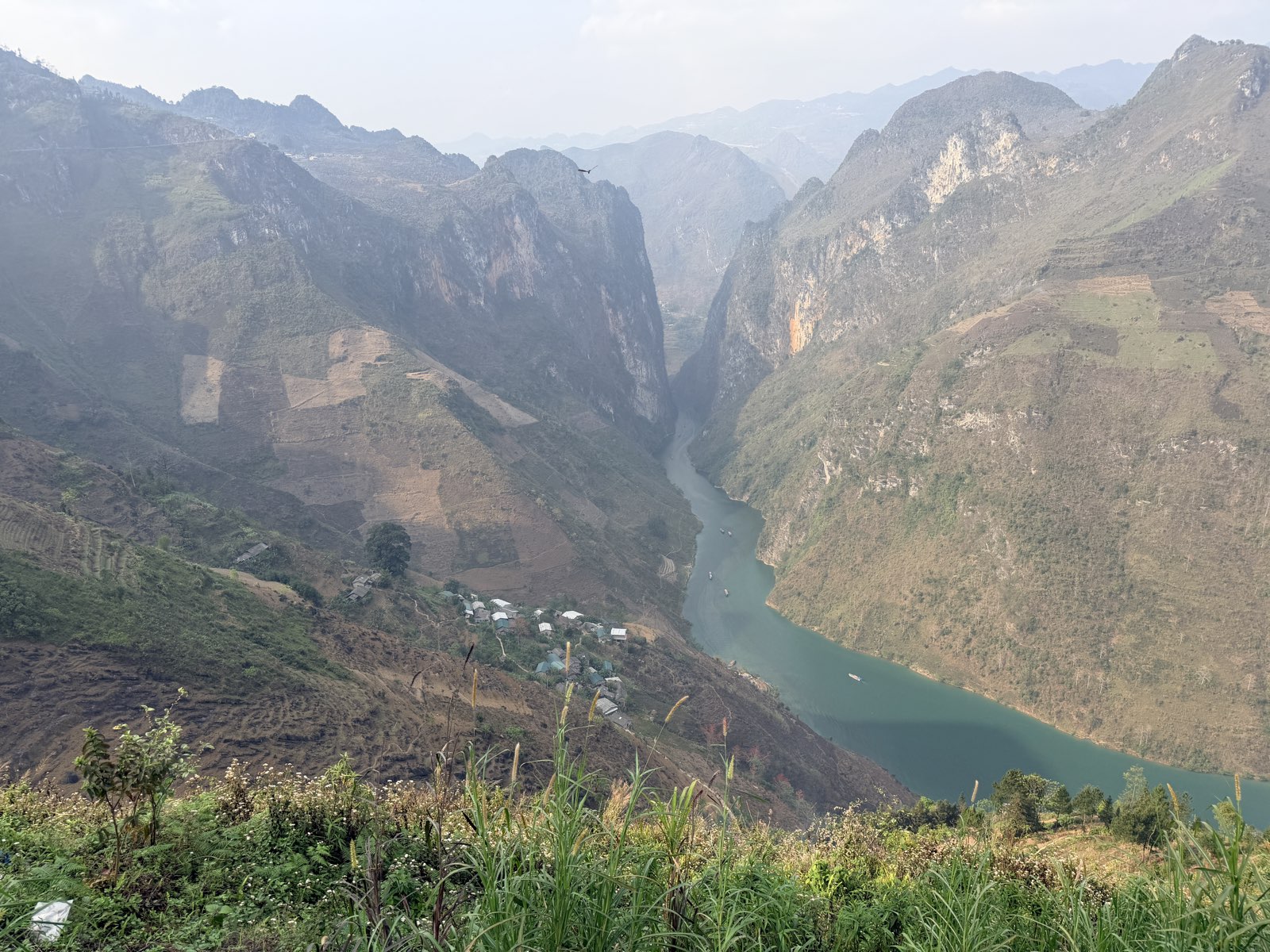
Yet, the landscape is so staggering that you forget about it every twenty minutes. The Đồng Văn Karst Plateau does this thing where it just keeps being more than you expected. Every pass, every valley, every roadside drop that your driver takes at a speed that makes you grip a little tighter: it's more.
More than you thought.
More than you expected.
More than you can convey in words.
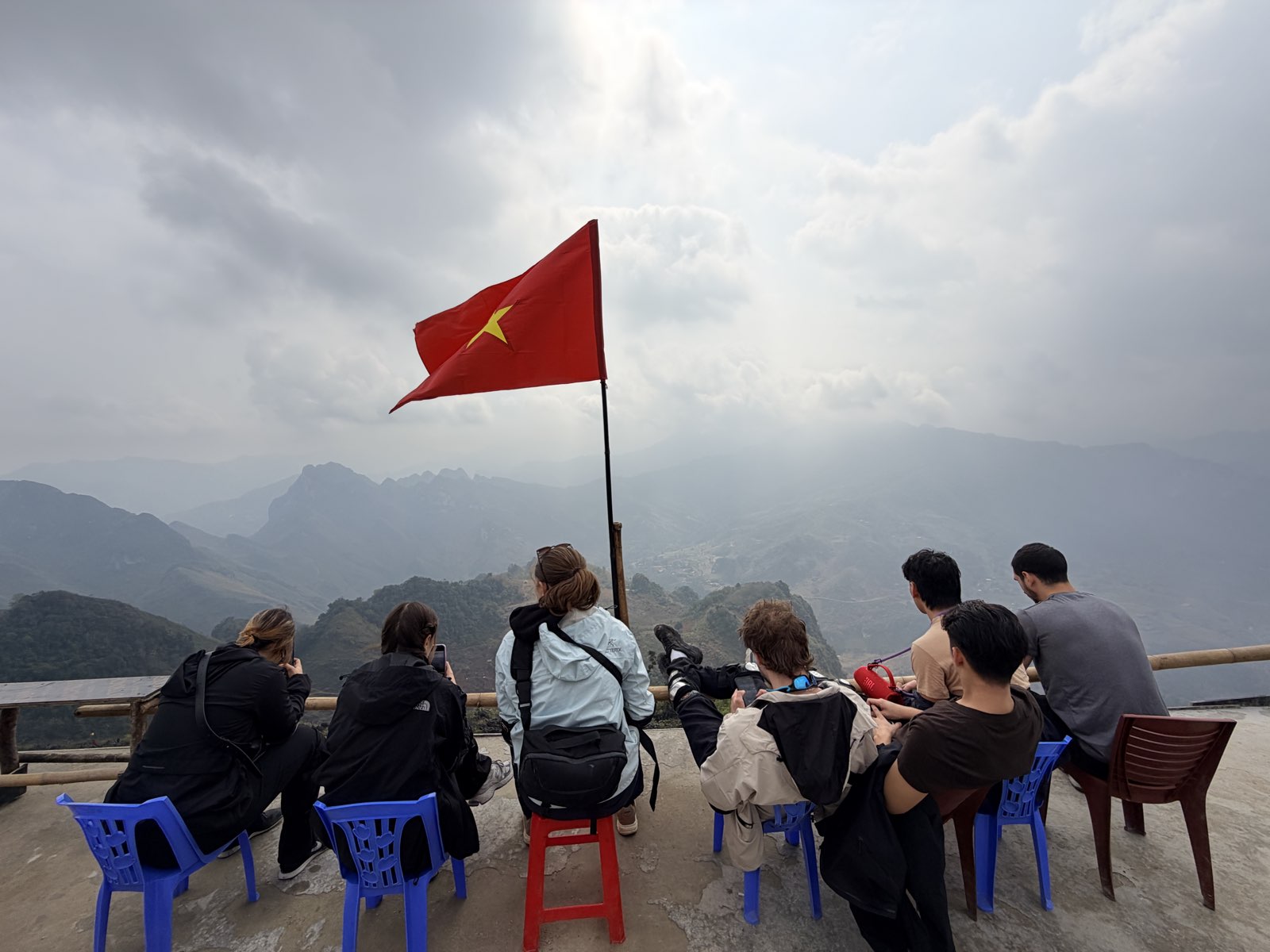
And that 'more' feeling never ended.
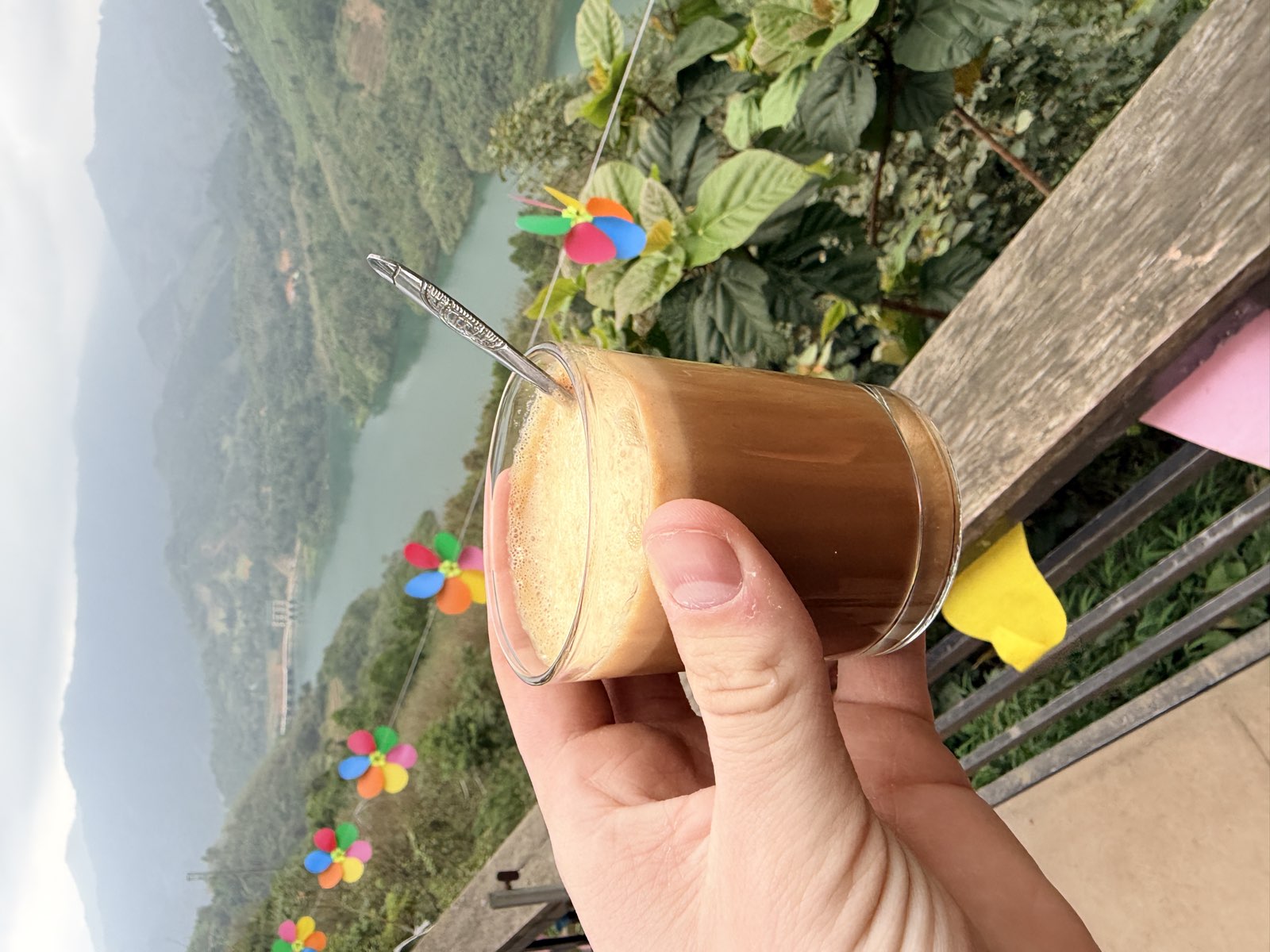
Somewhere on a mountain pass we stopped at a tiny coffee shop that nobody would expect to find there. I ordered egg coffee for the first time: whipped egg yolk, sugar, and robusta, served hot. I love coffee - but let me tell you, I kept reordering this stuff at every other coffee shop we stopped at.
The loop isn't just the landscape. It's the villages you pass through; small, remote, almost entirely unconnected from the Vietnam of Hanoi's Old Quarter, where every street corner has been carefully packaged for tourists. Out here, the gap is stark.
Some people waved as we rode through. Others watched us with a look that said: you are guests here, and guests are not always welcome. One small kid gave us the finger as we passed, and I thought about it for the rest of the day. Even when you're trying to be present, you are still passing through someone's home.
I approach my travel trying to engulf myself in the experience and local culture, but I also understand that's not what everybody does. Some people travel to see the sights, take photos, and move on. I think that's fine, but I also think it's important to remember that when you are in a place, you are a guest. You are passing through someone else's home, and it's important to be respectful of that.
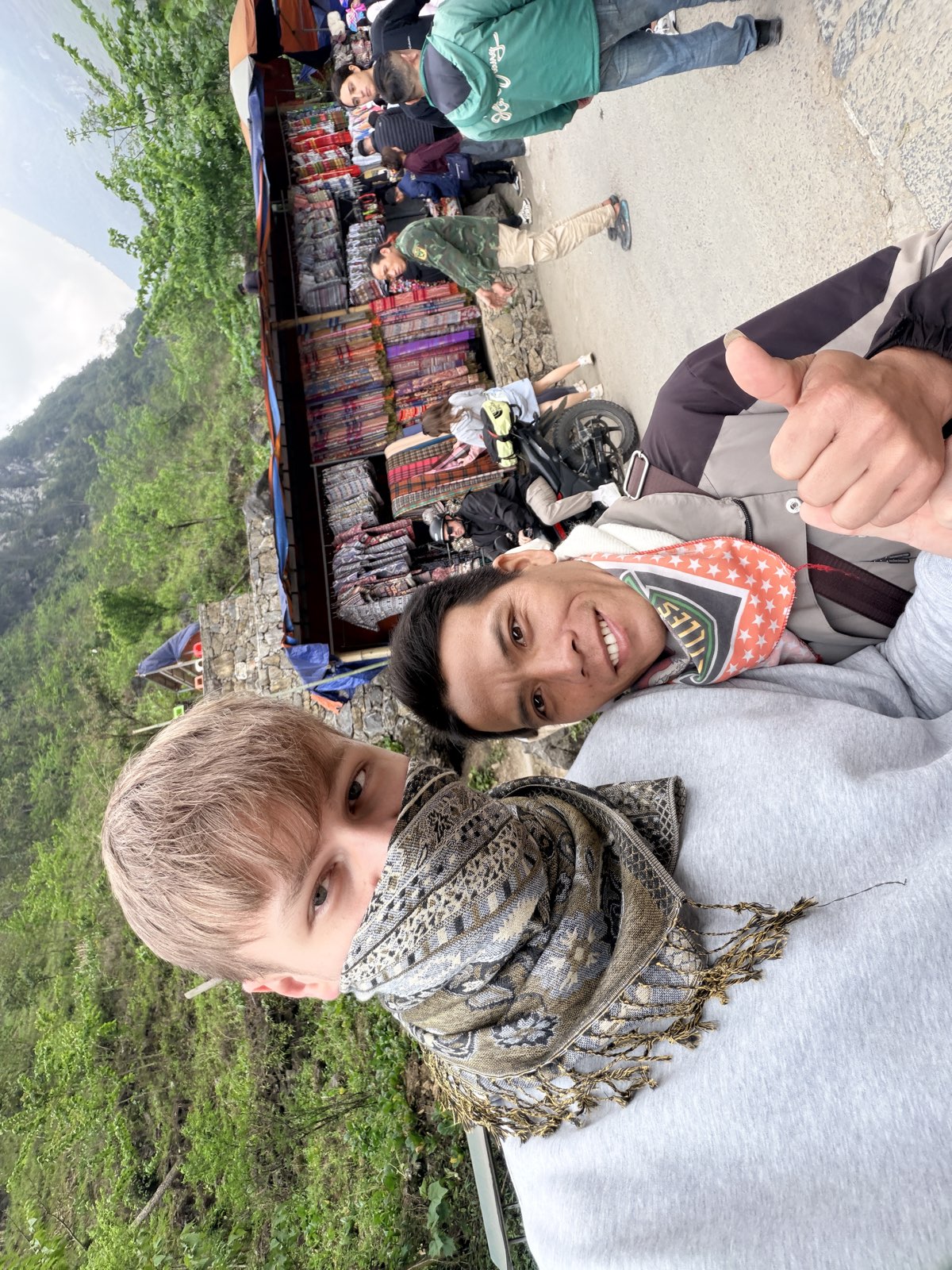
The nights were different. We stayed at homestays in places like Du Gia, villages so quiet you could hear the mountains. The families who hosted us brought out happy water (corn wine, local and strong) and the friendly atmosphere of the homestays led to karaoke sessions where I learned a couple of Vietnamese songs.
Happy water meter
Rượu ngô, corn wine from Du Già.
Real rượu ngô runs 30 to 40% ABV.
Our lead driver, it turned out, should audition for X-Factor. At some point a Vietnamese song came on, one with a long melodic build that ends in a single word (Vietnam!) and he sang it like he meant every syllable. We didn't need to understand the language, as it was just such a great moment!
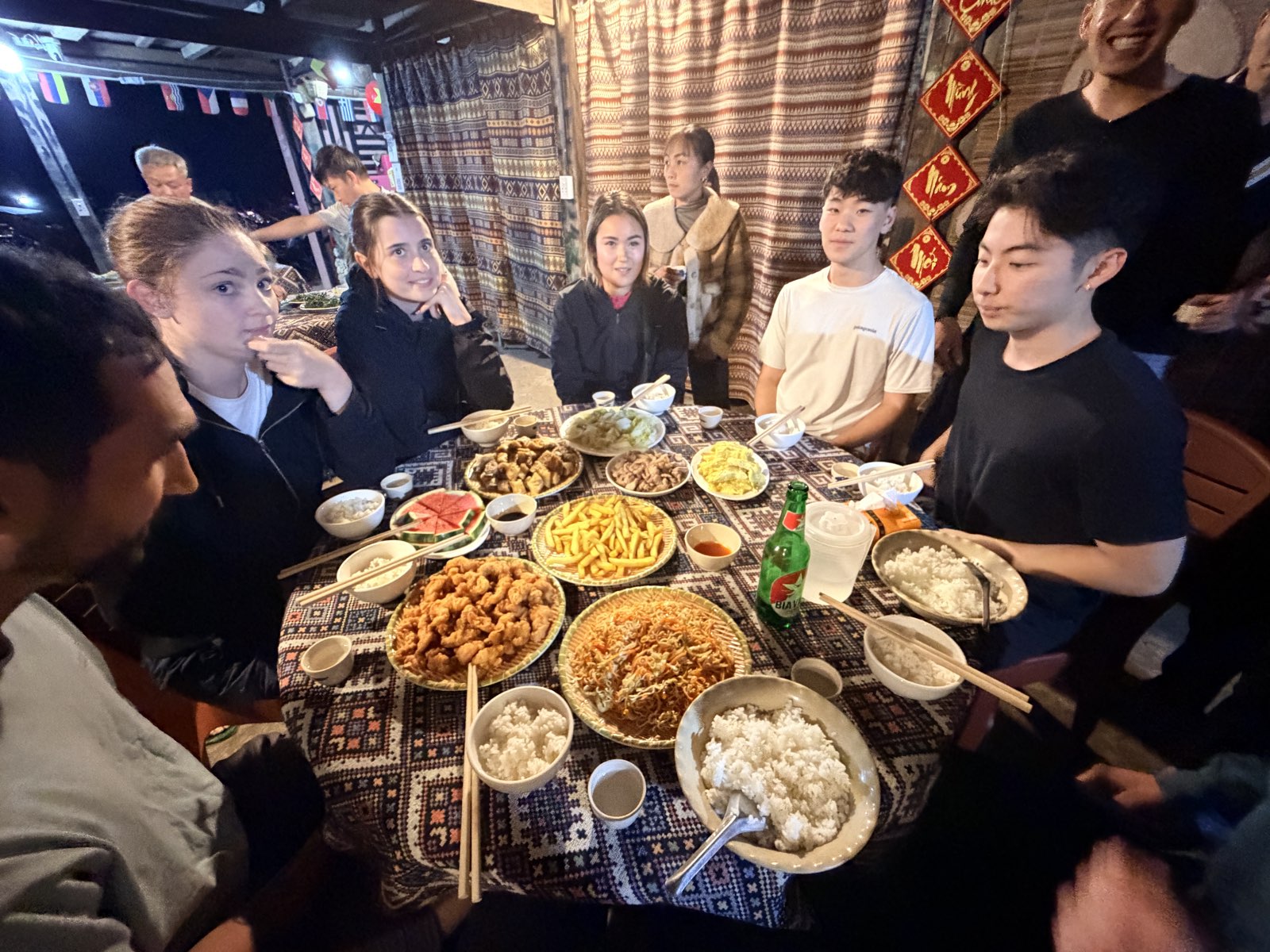
By day two the drivers had stopped treating us like customers. There was a running commentary I couldn't follow, and when I quietly declined a round of happy water on day three, it got noticeably louder. I didn't need a translation.
We're in a WhatsApp group now: eight people from six different countries and upbringings, still talking. This is the great takeaway of the Ha Giang Loop experience: the people you met.
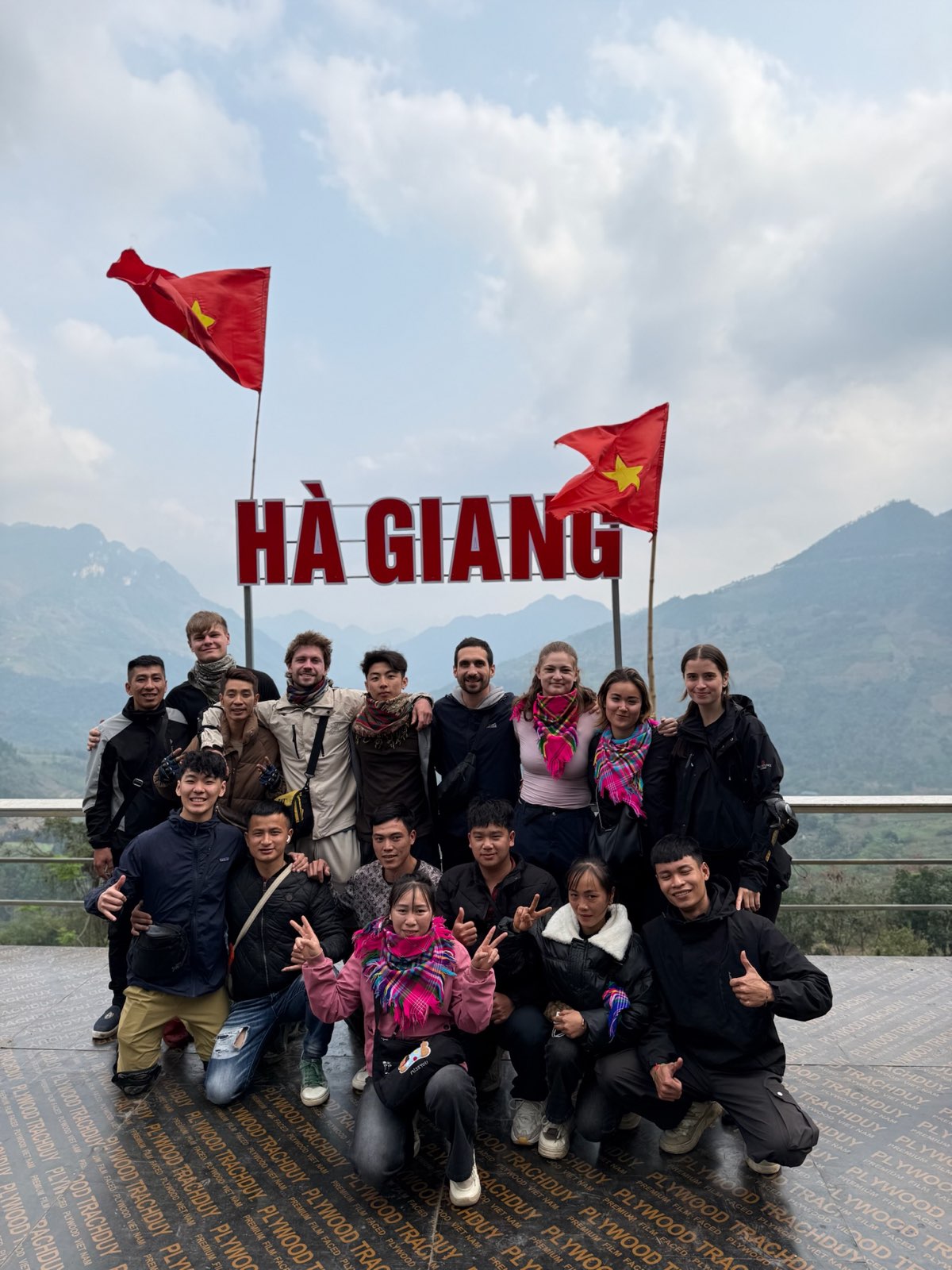
So, if you are willing to, go. Take that overnight bus. Chant 'Một, hai, ba, dzô' with your drivers. It's worth it.
How did this land?